Gift baskets are the edible equivalent of a warm hug—perfect for birthdays, corporate thank‑yous, or “just because.” Yet, when those baskets cross borders, they can quickly turn from a thoughtful gesture into a customs nightmare. This article walks you through the essential steps for ensuring gift baskets are compliant with international food import laws, so your treats arrive on time, intact, and without a diplomatic incident.
Why Compliance Matters
Imagine you’ve spent hours arranging artisanal cheeses, exotic chocolates, and a splash of locally sourced jam into a beautiful basket. You ship it to a client in Tokyo, only to learn it’s been seized at the airport. Not only does the recipient miss out on the surprise, but you also face fines, delays, and a bruised reputation.
- Legal penalties can range from modest fees to hefty import bans. Brand image suffers when customers associate you with “border drama.” Operational costs rise when you have to resend or replace lost goods.
In short, compliance isn’t just a bureaucratic hoop; it’s the safety net that keeps your https://dominickwsoi611.theglensecret.com/when-is-the-best-time-to-send-a-gourmet-hamper-a-guide-to-timing-perfection goodwill flowing across oceans.
Know the Core Regulations
Country‑Specific Food Safety Standards
Every follow this link nation writes its own rulebook for what can enter its kitchens. The European Union, for instance, enforces the EU Food Hygiene Regulation, while the United States leans on the FDA’s Food Safety Modernization Act.
- Check prohibited items (e.g., raw meat in many Asian markets). Verify maximum residue limits for spices and herbs. Confirm certification requirements such as HACCP or organic seals.
Customs Documentation Essentials
Customs officials love paperwork almost as much as they love a well‑packed basket. Missing or incorrect documents can stall your shipment longer than a traffic jam on a rainy Monday.
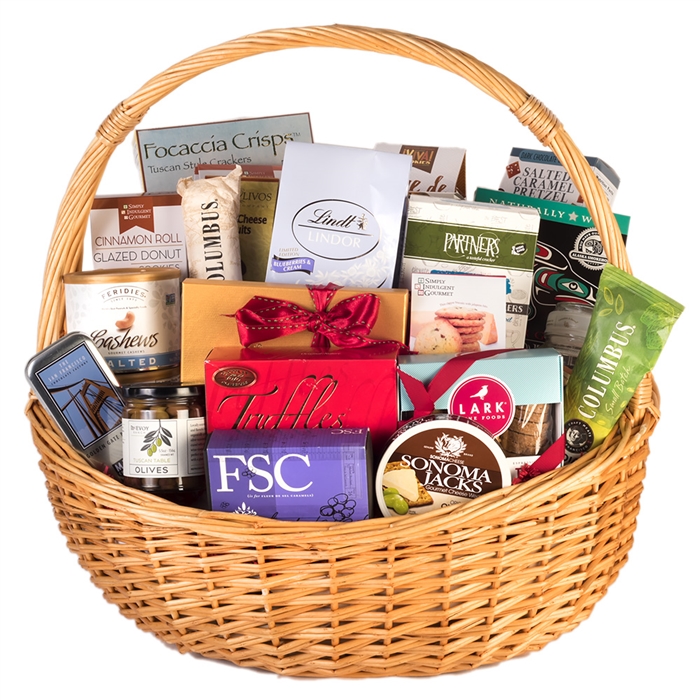
- Commercial invoice: Clearly list each item, its value, and country of origin. Certificate of origin: Proves where the product was produced. Phytosanitary certificate: Required for plant‑based foods like nuts or dried fruit.
> “A single missing signature can turn a swift delivery into a week‑long waiting game,” says Maria Alvarez, senior customs officer at a major European port.
Ingredient Selection Tips
Choosing the right ingredients is like picking the perfect outfit for a first date—one wrong choice can end the evening early.
- Stick to shelf‑stable goods: Dried fruits, hard cheeses, and sealed confectionery survive the journey better than fresh produce. Avoid high‑risk items: Raw meats, unpasteurized dairy, and fresh herbs often trigger red flags. Prefer locally certified products: Items already approved by the destination country’s authorities have a smoother ride.
**Anecdote: A small boutique in Seattle once mailed a basket filled with locally sourced honey to a client in the UAE. The honey, though delicious, was flagged because the UAE requires a specific beekeeping certification. The basket was returned, the client received a polite apology, and the shop now double‑checks every sweet treat before it leaves the warehouse.
Packaging and Labeling Requirements
Materials That Pass Inspection
Customs agents inspect not only what’s inside the basket but also how it’s wrapped.
- Use food‑grade, tamper‑evident packaging to demonstrate safety. Avoid organic waste like banana leaves unless the destination permits them. Choose recyclable or biodegradable options when possible—many countries favor eco‑friendly materials.
Labels That Speak the Language of Customs
A clear label is the passport of your product.
- List ingredients, allergens, and nutritional info in the destination’s official language(s). Include country of origin and expiration dates prominently. Add a barcode or QR code that links to a digital compliance sheet—think of it as a GPS for regulators.
Shipping Strategies That Keep You Out of Trouble
Even the best‑packed basket can stumble if the shipping plan is shaky.
- Partner with experienced freight forwarders who specialize in food shipments. Choose air freight for perishable items ; it’s faster than a cheetah on roller skates. Insure your cargo —the cost is a small price to pay for peace of mind.
Quick Checklist for Smooth Sailing
- Verify destination country’s import permits . Confirm temperature control for sensitive items. Attach duplicate documentation in case one set gets lost.
Common Pitfalls and How to Dodge Them
Even seasoned exporters slip up now and then. Below are the usual suspects and the shortcuts to avoid them.
- Assuming “global” means “all‑clear.” Each market has its own quirks—research is non‑negotiable. Skipping the allergen declaration. One missed nut label can trigger a recall faster than you can say “oops.” Under‑declaring value. Lowballing the invoice may seem clever, but it can lead to fines and seizure. Neglecting packaging integrity. A basket that opens mid‑flight ends up as a snack for airport staff—not your client.
Making Your Selection Count
Now that you’ve mastered the maze of regulations, it’s time to put your knowledge into practice. Think of compliance as the invisible thread that holds your gift basket together, ensuring it reaches its destination without a hitch.
- Plan ahead: Start the compliance checklist at the design stage, not after the basket is assembled. Stay updated: International food laws evolve like fashion trends—what’s in vogue today may be outdated tomorrow. Educate your team:** A well‑informed staff reduces errors and speeds up the approval process.
By treating each shipment as a carefully choreographed dance rather than a hurried dash, you’ll turn potential border blunders into smooth, applause‑worthy deliveries.
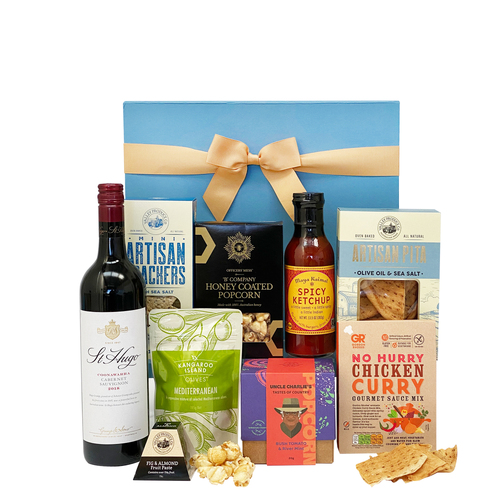
Ready to send your next basket across the globe with confidence? Start by reviewing the regulations for your target market, update your packaging, and partner with a logistics provider who knows the ropes. Your customers will thank you, and your brand will earn a reputation for reliability—one delicious basket at a time.